Generic
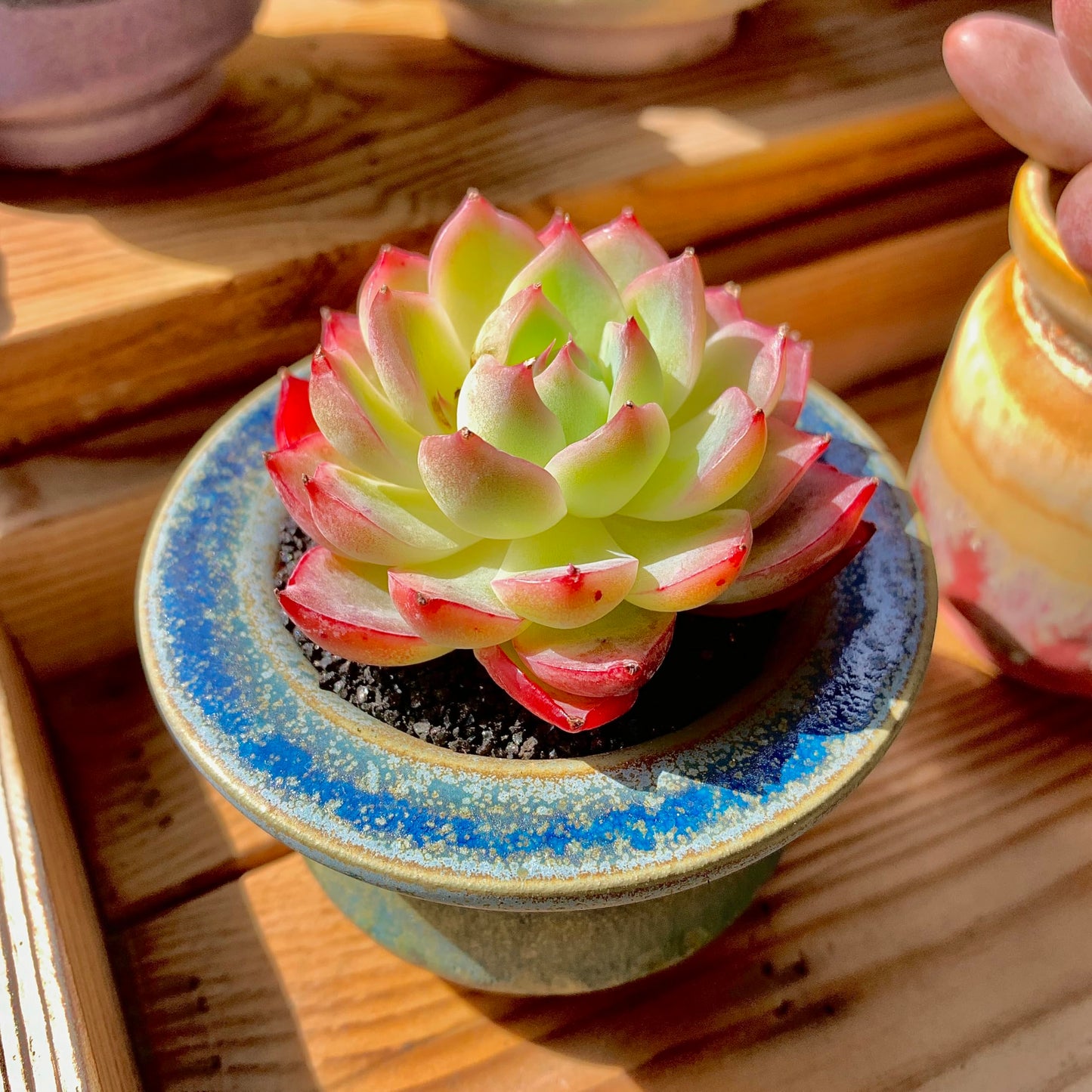
Echeveria Crystal Rose Rare Live Succulent Plants, Mini Pink 1 Head 2" Live Plant,Bare Root Without Pot Soil,Garden Indoor Office Desk Wedding Party Baby Shower Decoration, Friend Plant Lovers Gifts
Echeveria Crystal Rose Rare Live Succulent Plants, Mini Pink 1 Head 2" Live Plant,Bare Root Without Pot Soil,Garden Indoor Office Desk Wedding Party Baby Shower Decoration, Friend Plant Lovers Gifts
Couldn't load pickup availability
Brand: Generic
Color: Echeveria Crystal Rose 1 Head
Features:
- Succulent Plants Introduction-Crystal Rose is a beautiful hybrid cultivar of the genus Echeveria (family Crassulaceae). It is known for its translucent leaf edges and its soft pink to icy rose coloration. The tightly arranged leaves form a classic rose-shaped rosette, and under strong light, notable day–night temperature differences, and moderate water control, the plant develops more vibrant pink hues along with a subtle jelly-like texture
Details: Succulent plants are rich in flesh, full of water and nutrients, and can adapt to various environments. They are very suitable for beginners and gardening enthusiasts to grow. There are many types of succulents, including Cactaceae, Sedumaceae, Liliaceae, etc. Each plant has its own unique shape and characteristics.
When caring for succulents, you need to pay attention to the following points: Soil: Succulents need soil with good air permeability. It is recommended to use peat soil, perlite, vermiculite and other materials for mixing. Watering: Succulents do not need too much water, and watering once a week is usually sufficient. Make sure the soil is moist when watering, but not too wet. Fertilizer: Succulent plants need the right amount of nutrients, so you can use special fertilizer for succulent plants or add organic fertilizer to the soil. Pruning: Succulents do not need frequent pruning, but dead branches and leaves should be cut off in time to maintain the health of the plant.
During the maintenance process, you also need to pay attention to the following points: Sunlight: Succulents need plenty of sunlight, but avoid direct sunlight. It is recommended to place succulents outdoors or indoors in a sunny location. Temperature: Succulents are suitable for growing in a warm environment. Avoid temperatures that are too high or too low. Dust: The leaves of succulent plants tend to accumulate dust, which affects photosynthesis. It is recommended to wipe the leaves with a soft cloth regularly to keep them clean.
In short, succulents are plants that are very suitable for beginners and gardening enthusiasts to grow. They not only come in various shapes, but are also easy to maintain. As long as you pay attention to the above points, you can make your succulents grow healthily and bloom beautiful flowers. Due to the extremely high temperature in summer, succulent plants are prone to a brief water shortage during long-distance transportation, resulting in the withering of the roots and shriveling of the leaves of the succulent plants. Don't worry too much when encountering such a phenomenon. Only a few simple steps can restore the withered succulent plants to normal. 1. Trim the roots: Use a sterilized sharp tool to completely remove the withered, blackened, and decayed roots to ensure healthy roots are left. 2. Dry the roots: Place the succulent in a well-ventilated, cool place without direct sunlight to fully dry the roots, usually about 1-2 days. 3. Replant: Carefully plant the dried succulent into new soil, paying attention not to bury it too deeply. 4. Control watering: During the initial recovery period, strictly control watering to keep the soil slightly moist, avoiding aggravating root problems due to water accumulation again. 5. Observe patiently: In the subsequent maintenance, closely observe the growth state of the succulent, and adjust the maintenance measures in time if there is any abnormality.
Share